
Mastering the Art of Mixing Colours:
Creating outfits that are both interesting and cohesive can seem daunting, but once you understand the basics of colour theory, getting dressed becomes much easier.
A few thoughtful details can elevate your entire look, making you feel confident and stylish. Here’s a guide to help you mix colours like a pro.
When it comes to personal style, colour can make all the difference. The color wheel is an essential tool for anyone looking to create visually appealing outfits.
But how do you use colour analysis to make outfit choices effectively? Here are some principles to keep in mind when you use clothing color wheel:
Understanding Colour Theory
Colour theory is the foundation of creating harmonious and visually appealing outfits. Here are the key concepts:
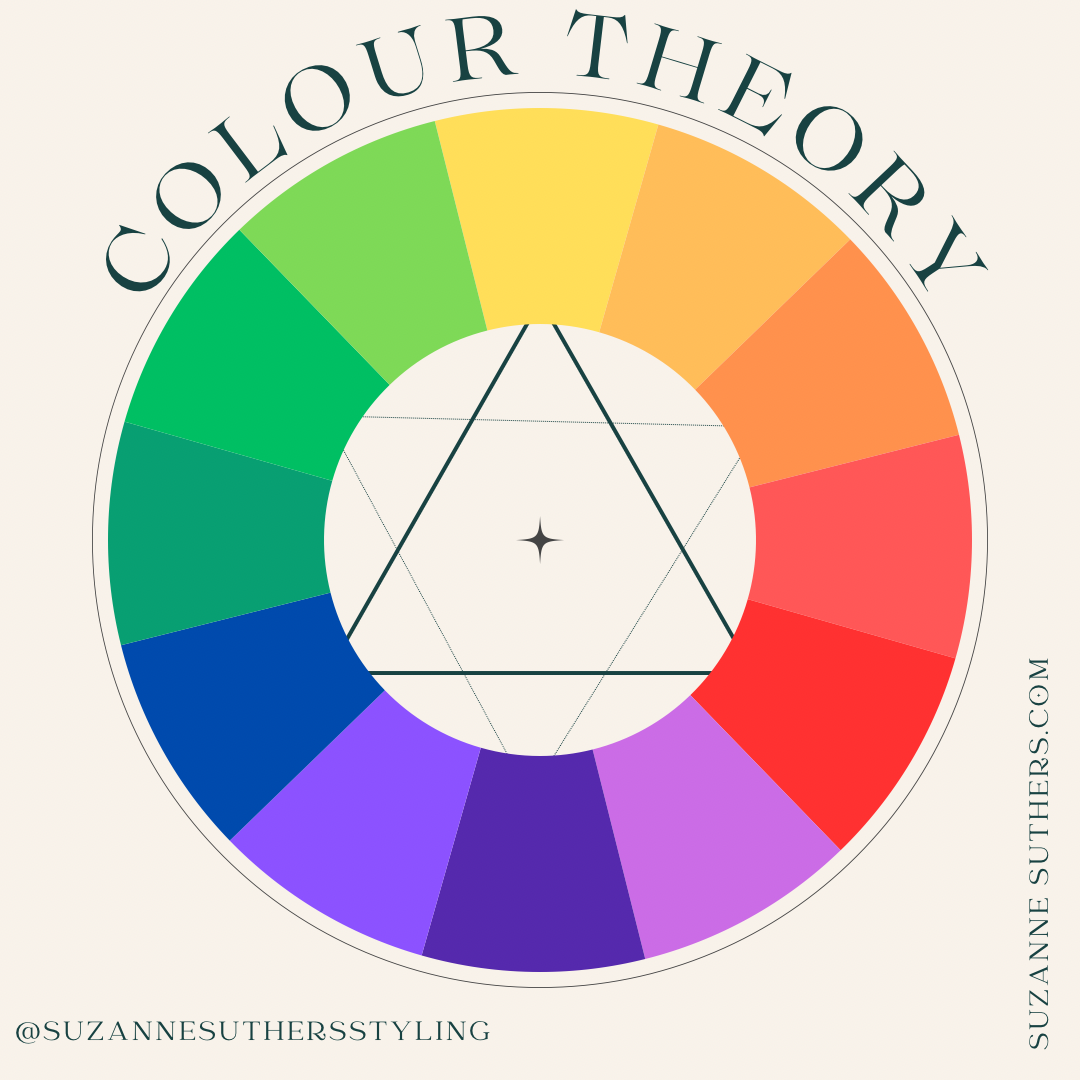
- Colour Wheel: The colour wheel is a visual representation of colours arranged according to their chromatic relationship. It includes primary colours (red, blue, yellow), secondary colours (green, orange, purple), and tertiary colours (combinations of primary and secondary colours).
- Complementary Colours: These are colours that are opposite each other on the colour wheel, such as blue and orange or red and green. When paired together, they create a vibrant and dynamic look.
- Analogous Colours: These are colours that are next to each other on the colour wheel, like blue, blue-green, and green. They create a harmonious and soothing effect.
-
Triadic Colours: These are three colours that are evenly spaced around the colour wheel, such as red, yellow, and blue. This combination offers a balanced and vibrant look. To apply a triadic colour scheme, choose one dominant colour and use the other two as accents. For example, a purple blouse paired with green pants and orange shoes can create a dynamic, eye-catching outfit.
-
Tetradic Colours: Tetradic color schemes, also known as double-complementary schemes, use four colors that are arranged into two complementary pairs. This combination offers plenty of variety and can be vibrant and rich. Examples include: Red, green, blue, and orange / Yellow, purple, blue, and red.
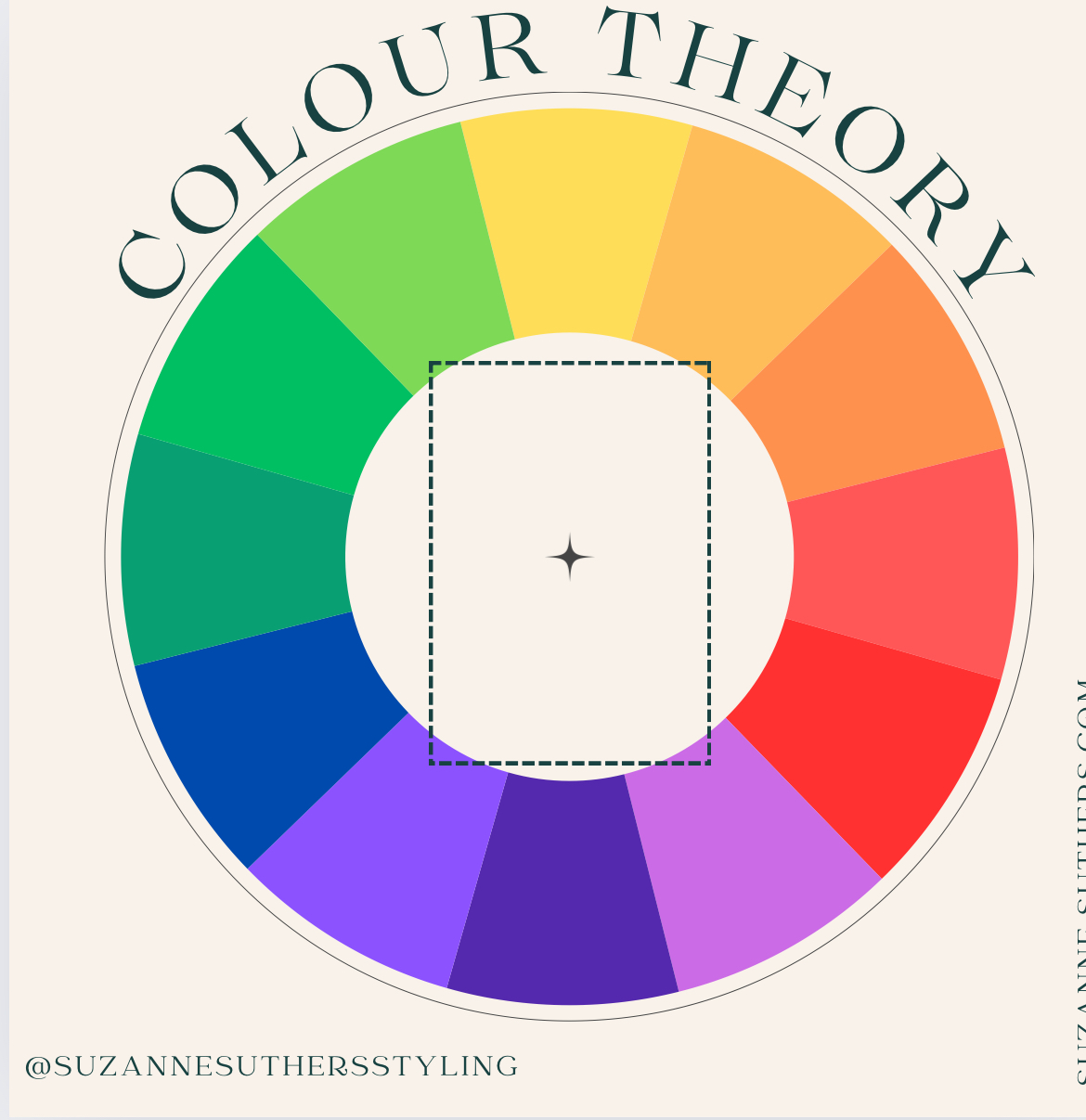
When working with tetradic colors, it's important to balance the colours. One approach is to let one color dominate and use the others for accents. For example, you could wear a yellow dress with purple shoes, a blue handbag, and red earrings to create a well-balanced, vibrant look.
Tips for Mixing Colours
Now that you have a basic understanding of colour theory, here are some practical tips for mixing colours in your outfits:
-
Consider Your Skin Tone: Certain colours can enhance your natural complexion. Warm skin tones often look great in earthy colours like olive, mustard, and warm reds, while cool skin tones shine in jewel tones like emerald, sapphire, and cool purples.
- Use a neutral base: Neutrals like black, white, grey, beige, and navy are versatile and can be paired with almost any colour. Use them as a foundation and add pops of colour to create interest.
- Use the 60-30-10 Rule: This rule helps you balance colours in your outfit. Use 60% of a dominant colour, 30% of a secondary colour, and 10% of an accent colour. For example, you could wear a navy dress (60%), with a white blazer (30%), and red shoes (10%).
- Play with Patterns: Patterns can add depth and interest to your outfit. When mixing patterns, ensure they share at least one common colour to keep the look cohesive. For example, a striped shirt with blue and white can be paired with a floral skirt that includes blue.
- Accessorise Thoughtfully: Accessories are a great way to introduce colour without overwhelming your outfit. A colourful scarf, statement necklace, or bold handbag can add a pop of colour and tie your look together.
Practical Examples
When it comes to creating timeless and classic style for my clients, understanding the basics of the colour wheel is essential. And the clothing colour wheel helps when I am working with clients to understand how different colours work together for their personal style and how they can be used to create harmonious colour combinations.
It is reflected in our collections throughout 4 seasons.
For Women: Pair a yellow coat or blazer with navy trousers and a complementary blouse. Add some brown boots for a pop of an accent colour that complements the outfit.

For Men: Combine a light blue shirt with khaki trousers and a navy blazer. Add a burgundy tie for a touch of sophistication.
Final Thoughts
Mixing colours in your outfits can be a fun and creative way to express your personal style. By understanding the basics of colour theory and applying these tips, you can create looks that are both interesting and cohesive. Remember, confidence is key—wear what makes you feel great, and your style will naturally shine through.
Happy styling!